Pre Action Fire, Inc is a fire protection company serving the Denver area.
Fire protection work tends to disappear into the background when everything is functioning the way it should. Occupants walk through doors without thinking about the exit path. A panel sits quiet in an electrical room. Sprinkler piping stays overhead, unnoticed. Extinguishers hang on brackets until the day someone urgently needs one. That quiet is the goal, but it is not an accident. It comes from disciplined installation, regular inspection, careful testing, and a clear understanding of how local enforcement and national standards fit together.
That is the real value behind a company like Pre Action Fire, Inc serving the Denver area. In practice, fire protection is rarely one device or one inspection. It is a network of responsibilities. A property may need fire alarm monitoring in Denver, sprinkler work, suppression equipment, periodic testing, documentation for authorities, and a realistic plan for handling deficiencies without disrupting the building more than necessary. The hard part is not just knowing what a system is supposed to do on paper. The hard part is making it perform reliably in an actual building, with actual people, under actual local rules.
What fire protection looks like in Denver
Denver is not a place where fire protection can be treated casually. The local authority has a defined enforcement role through the Fire Code Official, the Fire Marshal, and the Denver Fire Department Fire Prevention Division. That matters because building owners are not dealing with a vague concept of compliance. They are dealing with a city that inspects, enforces code requirements, and addresses hazards, false alarms, and disabled life safety systems.
That local structure shapes everything from design decisions to scheduling. A contractor can install equipment correctly and still run into trouble if permitting, approvals, records, or acceptance steps are mishandled. Denver also requires permits for most construction, alteration, or repair work on private property, and the city has adopted updated building and fire codes effective at the end of 2025, with some projects able to proceed under either the 2025 or 2022 code set depending on submittal timing. For owners and managers, that means timing matters. The same job can feel straightforward one month and more complicated the next if the code path changes.
People outside the trade often assume code compliance is mostly about passing a final visit. In reality, the process starts much earlier. For many fire protection scopes, decisions made during planning determine whether the project moves smoothly or stalls halfway through.
Permits first, then the work
One of the most common misunderstandings in fire protection is the idea that a contractor can start small suppression or sprinkler work and sort out paperwork later. Colorado law does not treat it that way. For fire suppression system installation, modification, alteration, or repair, work generally cannot start until the required permits are obtained, the job has been registered, and the plans and hydraulic calculations have been reviewed and approved.
That sequence is not administrative fluff. It protects everyone involved. Hydraulic calculations, plan review, and permit approval exist because water-based systems are engineered systems. Pipe sizes, hazard classifications, available water supply, and discharge characteristics are not guesswork items. If those pieces are off, the problem may not show itself until the worst possible moment.
This is one reason experienced commercial owners tend to involve fire protection professionals early. Waiting until walls are closed or tenant schedules are locked in can create expensive friction. A plan review comment that would have been easy to address on paper can become disruptive if it surfaces after installation has begun.
For commercial fire protection in Colorado, especially in occupied buildings, this early coordination is often the difference between a tidy project and a painful one.
The importance of acceptance and final approval
Even after the physical work is complete, the process is not done. Denver’s review path includes fire protection engineering review, and acceptance or approval is required before final sign-off of fire alarm and fire protection permits. That final approval point deserves more attention than it usually gets.
A building owner might walk a site and see devices mounted, piping installed, and panels energized, then assume the work is finished. From an operational standpoint, maybe it is close. From a compliance standpoint, it is not finished until the required acceptance steps are completed and approved.
That distinction matters during turnovers, remodels, and occupancy changes. It also matters for insurance, leasing, and risk management. A half-finished process can look complete to an untrained eye. Fire protection professionals know better, which is why documentation, testing records, and coordinated acceptance activity are part of the real job, not side tasks.
Fire alarm systems are not just horns and strobes
When people hear the phrase fire alarm monitoring Denver, they often think only about a signal going off and someone calling the fire department. Monitoring is important, but the larger fire alarm picture is broader. NFPA 72 is the national code for fire alarm and signaling systems, covering design, installation, inspection, testing, maintenance, and emergency communications systems. It addresses how systems initiate, notify, supervise, and continue to function over time.
In the field, that translates into a lot of details that occupants never see. Are initiating devices reporting correctly? Are supervisory signals distinguishable from alarms? Are trouble conditions recognized and addressed quickly? Does notification reach the spaces it is supposed to reach? Is the system being maintained as an active life safety system rather than as a nuisance that only gets attention when it starts beeping?
Those questions become practical very fast in occupied commercial spaces. A false alarm can disrupt tenants, operations, and public confidence. A disabled panel can trigger enforcement concerns. A neglected trouble signal can sit in place far too long if no one treats it seriously. For a company working in fire protection Denver facilities, part of the job is translating technical conditions into plain language so a manager knows what needs immediate action, what can be scheduled, and what cannot be ignored.
Water-based fire protection needs its own discipline
Sprinklers are familiar enough that some owners assume they are mostly set-and-forget equipment. They are not. NFPA 25 governs the inspection, testing, and maintenance of water-based fire protection systems, and that includes far more than glancing at sprinkler heads from the floor.
Fire sprinkler installation in Denver is only one phase of the system life cycle. Once a system is in service, it requires ongoing inspection and testing. Valves must be in the right position. Gauges, alarms, supervisory functions, and mechanical components have to be checked at defined intervals. Conditions in the building matter too. A warehouse that changes rack storage, a retail space that remodels, or a back-of-house area that gets repurposed can all affect fire protection expectations even if the piping overhead did not move.
This is where practical judgment matters. On paper, every system follows standards. In the real world, each property has habits, constraints, and recurring weak spots. Some facilities struggle with housekeeping around risers. Some repeatedly block access to valves or extinguishers. Some have frequent tenant turnover, which can be hard on notification devices, pull stations, and inspection records. A good fire protection company does not only point out the problem. It helps the owner understand why the problem keeps reappearing.
Inspections are part of operating a building, not a surprise event
Denver states that commercial and institutional properties are inspected annually, typically about every 12 months. That annual cycle should not surprise any building owner, but many still treat inspections as isolated events. The healthier approach is to manage the building so the inspection confirms good practices rather than exposing a year’s worth of drift.
During a fire safety inspection in Denver, the review may cover exits, emergency lighting, fire-resistive separations, fire lanes, and records for fire safety systems. If violations are found, an order notice for correction can follow. None of that is unusual. It is the city doing its job. The problem comes when owners assume a clean hallway and a few tagged devices are enough.
The records matter. The physical conditions matter. The status of life safety systems matters. If a system has been disabled, impaired, or left in trouble condition, that is not a small housekeeping issue. It is a direct fire and life safety concern. The annual visit simply brings those conditions into focus.
A building that treats fire protection as routine maintenance usually handles inspections better than one that reacts at the last minute. Records are easier to locate. Deficiencies have already been triaged. Staff know where problem areas are. Doors and access points are not suddenly being cleared ten minutes before an inspector arrives.
The pieces owners most often overlook
Across many buildings, the same trouble spots appear again and again. They are rarely dramatic. That is exactly why they persist.
- missing or disorganized inspection and test records
- access blocked to fire protection equipment, exits, or valves
- disabled or troubled alarm components left unresolved
- changes in building use that were never reflected in fire protection planning
- assumptions that a past inspection means nothing has to be checked until next year
None of those issues sound complicated. Yet each one can lead to delays, correction notices, or bigger system questions. The pattern is familiar in commercial fire protection Colorado properties, especially where several vendors and facility teams share responsibility and nobody has a complete picture.
Fire extinguishers, fire pumps, and backflow devices are not minor details
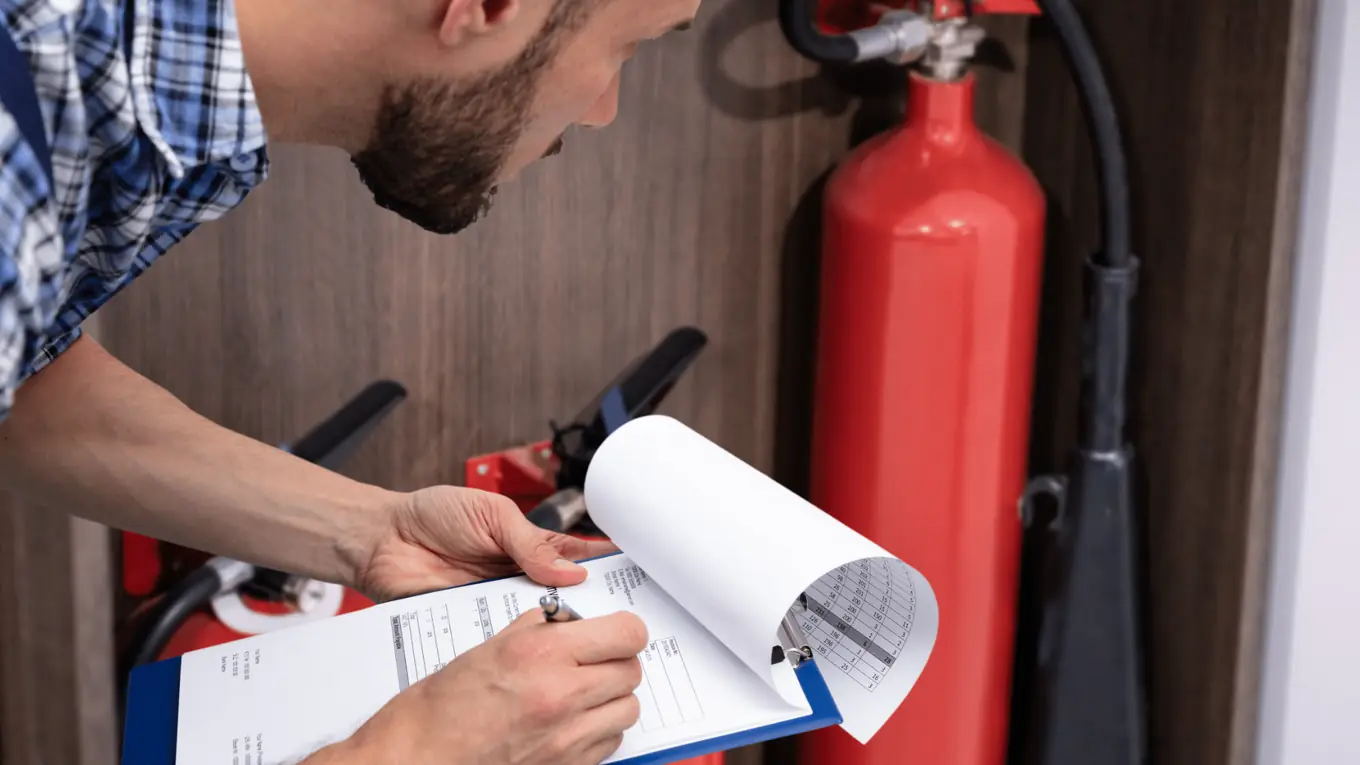
The smaller or more specialized elements of a fire protection program often get less attention than the alarm panel or sprinkler riser. That is a mistake. Fire extinguisher inspections in Denver matter because extinguishers are often the first tool someone reaches for during an incipient-stage fire. If one is missing, obstructed, discharged, or not maintained, the problem becomes painfully obvious only when time is already short.
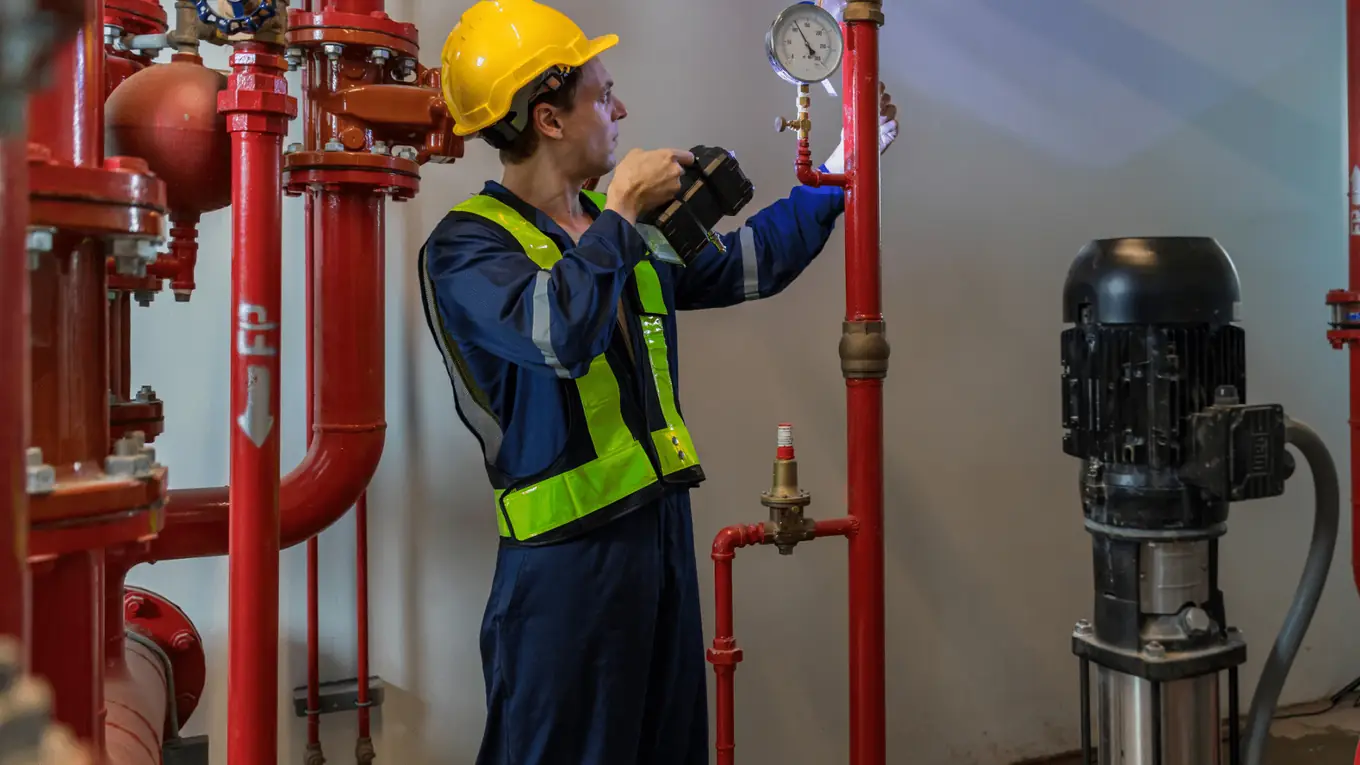
Fire pump inspection has its own importance. A fire pump is not decorative infrastructure. It supports water flow and pressure for the system when the demand is there. If the building depends on a pump, then inspection, testing, and maintenance are central to system readiness. A quiet pump room can create a false sense of security. Equipment that rarely runs under emergency conditions still needs disciplined attention.
Backflow inspection in Denver also belongs in the same conversation, even though it is sometimes discussed separately. Backflow assemblies serve a distinct purpose related to protecting the water supply, but when they tie into fire systems they become part of the larger responsibility of keeping the property’s fire protection arrangements functioning and documented properly.
Owners sometimes divide these into separate vendor silos, which can work if communication is strong. When communication is weak, important information gets stranded. One contractor knows about a pump issue, another knows about a valve status concern, another has extinguisher records, and the facility team is left trying to piece together the real condition of the property.
Suppression systems require precision, not assumptions
The phrase fire suppression systems Denver can mean different things depending on the occupancy and hazard. What matters in every case is that suppression work is treated as engineered, permitted work where required, not as a casual equipment swap.
This becomes especially important during tenant improvements and remodels. A seemingly minor change in ceiling layout, room use, equipment arrangement, or hazard profile can trigger deeper questions. Are existing components still suitable? Does the modified area affect the approved design? Does the work require plan review? Is final acceptance needed before sign-off? In Denver, those are practical project questions, not theoretical ones.
A lot of expensive confusion starts with one bad assumption, usually some version of, “We are only changing a little.” In fire protection, “a little” can still affect code responsibilities and approval pathways.
Why NFPA compliance is really about reliability
NFPA compliance inspections in Colorado are sometimes described in a way that makes them sound like a paperwork exercise. That misses the point. The standards are there because life safety systems must perform under stress, often after long periods of inactivity.
NFPA 72 and NFPA 25 are a useful contrast. One focuses on alarm and signaling systems. The other governs inspection, testing, and maintenance of water-based fire protection systems. Both are grounded in the same practical truth: systems age, conditions change, and reliability does not maintain itself.
For owners, the takeaway is simple. Fire system certification in Colorado should not be viewed as a trophy on a shelf. It is part of a chain of evidence showing that systems were reviewed, tested, accepted, and maintained in line with applicable requirements. The paperwork matters because it reflects real work performed on real components with real life safety consequences.
Emergencies do not wait for business hours
Denver’s materials note that system acceptance testing and permits may require coordination with the Fire Department, and special inspections can occur outside normal business hours when needed. That detail says a lot about how fire protection actually works in occupied properties.
Buildings do not become easier to manage just because testing needs to happen after hours. In fact, after-hours work can be more complicated. Fewer staff may be present. Access can be tighter. Security coordination matters more. Yet that is often the only practical window for avoiding business disruption.
Emergency fire protection in Denver is also shaped by that reality. If a system is impaired, disabled, or not operating correctly, the response cannot wait for a convenient calendar slot. The exact scope of response depends on the system and the condition, but everyone involved needs a clear understanding of what is out of service, how long it will be affected, and what approvals or follow-up actions are required.
That is one area where experienced judgment shows. Not every issue has the same urgency, but some definitely do. A calm, organized response is far more useful than either panic or delay.
How owners can make fire protection easier to manage
The best-run buildings do a few simple things consistently. They do not treat fire protection as a once-a-year event. They keep records in a place people can actually find them. They communicate changes in space use before work starts, not after systems are already affected. And they understand that permit and acceptance steps are part of the project, not obstacles added at the end.
A useful working habit looks something like this:
- Keep current records for inspections, testing, maintenance, and corrections
- Flag tenant improvements or use changes early, before field work begins
- Address trouble signals, impairments, and blocked access immediately
- Coordinate acceptance testing and final approval as part of the schedule
- Review annual inspection readiness well before the city visit
None of that is glamorous. It simply prevents avoidable problems.
What a Denver-area fire protection partner should bring to the table
For a company like Pre Action Fire, Inc, serving the Denver area means working in a city where local enforcement, annual inspections, permitting, plan review, and final acceptance all intersect. The service is not just technical labor. It is the ability to help owners and managers move through those intersections without losing sight of the actual purpose of the systems.
That means understanding the practical difference between a nuisance issue and a critical deficiency. It means recognizing when documentation is likely to matter as much as hardware. It means respecting the role of the Denver Fire Department Fire Prevention Division and the city’s process instead of treating compliance as an afterthought. And it means understanding that occupants depend on these systems even when they never think about them.
Good fire protection work is often invisible to everyone except the people responsible for it. That is perfectly fine. The goal is not attention. The https://denverbuildingownertips667.terracolumn.com/posts/why-a-quiet-trouble-signal-should-not-be-ignored-in-a-commercial-fire-alarm-system goal is confidence, quiet, and readiness.
In Denver, that readiness depends on local code enforcement, proper permitting, thoughtful installation, regular inspections, and systems that are maintained to perform as intended. Whether the need involves fire alarm monitoring Denver properties rely on, fire sprinkler installation Denver projects require, ongoing fire safety inspections Denver owners should expect, or the broader demands of commercial fire protection Colorado buildings face, the pattern is the same. Small lapses grow into large problems. Consistent care keeps buildings safer and operations steadier.
That is the work. Quiet when it is going well, decisive when it is needed, and always more important than it looks from the hallway.