NFPA Compliance Inspections Colorado: A Plain English Guide to Codes, Records, and Local Confirmation
If you manage a commercial building in Colorado, especially in Denver, the phrase "NFPA compliance" can feel bigger and murkier than it needs to. People hear it and picture a stack of code books, a surprise inspection, and a contractor speaking in acronyms. The reality is more practical. Most of the work comes down to knowing which systems you have, understanding which inspection and testing rules apply to them, keeping records that show the work was done, and confirming what your local authority actually expects.
That last part matters more than many owners realize. In Colorado, national standards such as NFPA 72 and NFPA 25 are part of the picture, but they do not float in space by themselves. Local enforcement, local permitting, and local acceptance drive what happens on the ground. In Denver, the Fire Code Official, Fire Marshal, and the Denver Fire Department Fire Prevention Division all play a role in enforcing fire code requirements and inspecting hazards, disabled life safety systems, and false alarms. So when someone says, "We are code compliant," the useful follow-up question is, "Compliant with what standard, and confirmed by whom?"
That is the plain English version of the topic. The rest is details, records, timing, and coordination.
Where NFPA fits, and where it does not
NFPA standards are widely used benchmarks for design, installation, inspection, testing, and maintenance of fire protection systems. Two standards show up constantly in commercial properties.
NFPA 72 is the national fire alarm and signaling code. It covers fire alarm design, installation, inspection, testing, maintenance, and emergency communications systems. If your building has notification devices, initiating devices, supervisory signals, monitoring, or related signaling equipment, that standard is part of the conversation.
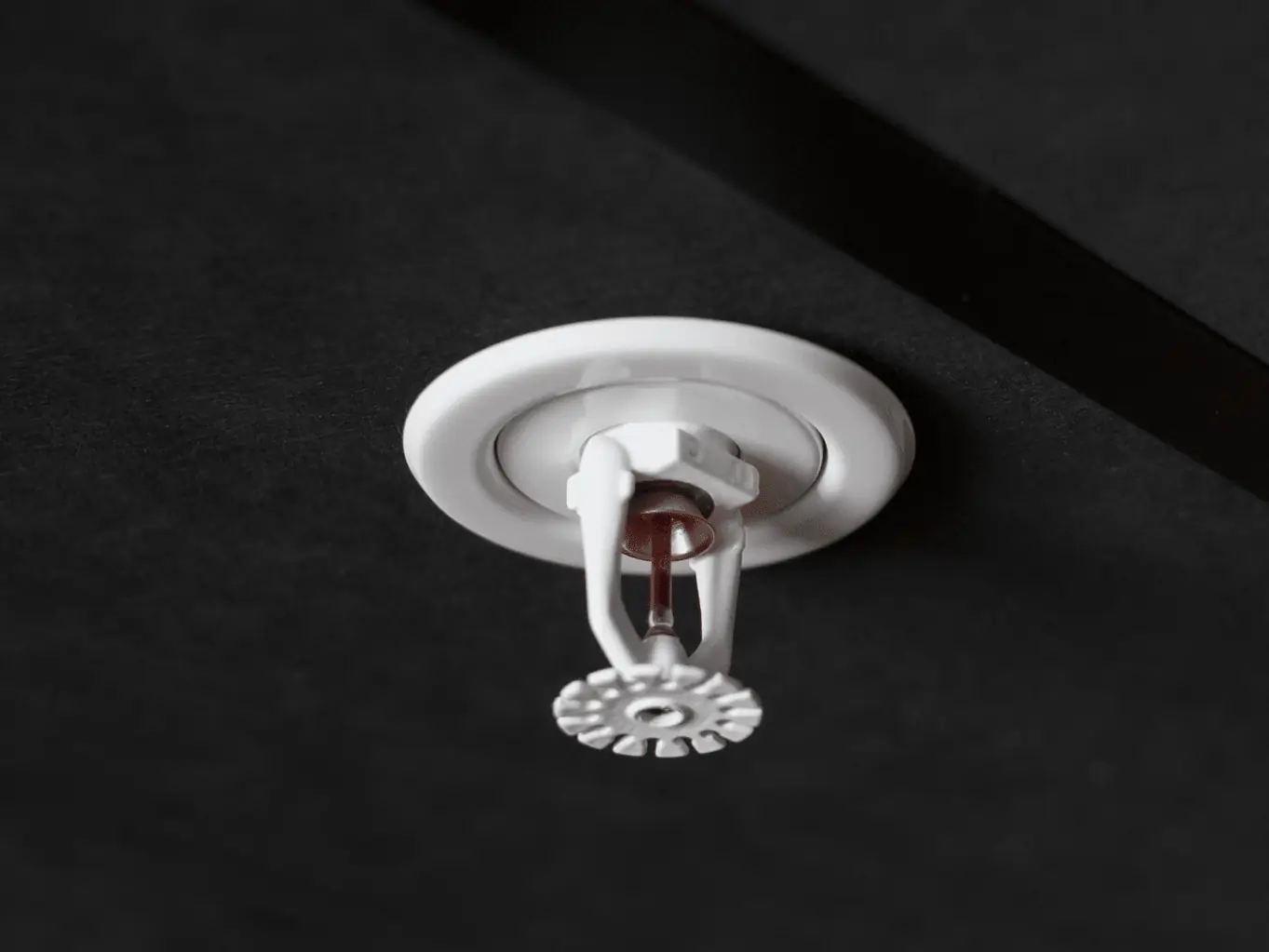
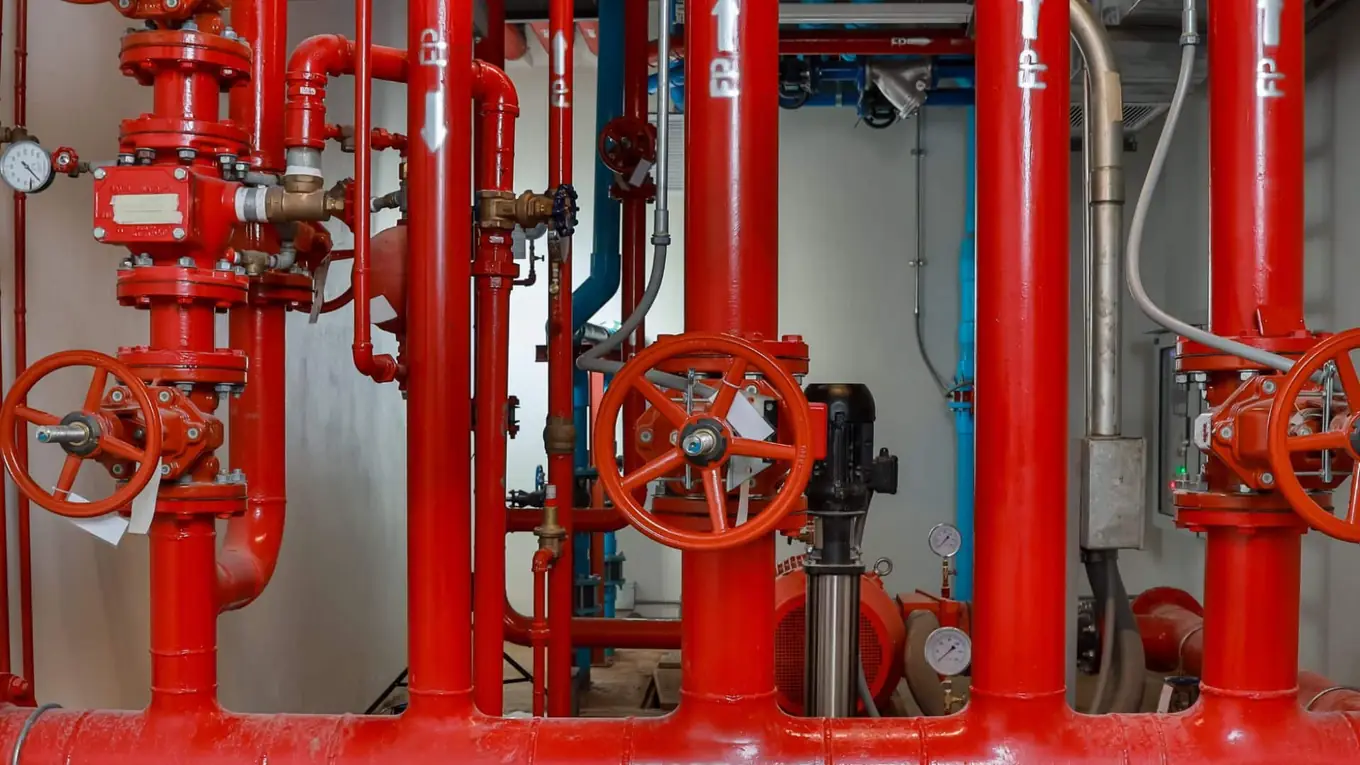
NFPA 25 covers the inspection, testing, and maintenance of water-based fire protection systems. That includes sprinkler-related maintenance work and the broader care of water-based systems over time. If your property has sprinklers, risers, valves, gauges, or a fire pump, NFPA 25 is the standard many people are referring to when they talk about routine ITM work.
Those standards are important, but they are not a substitute for local enforcement. Denver has its own adopted code framework, and the city has adopted new 2025 Building and Fire Codes effective December 31, 2025. The city has also stated that some projects may use either the 2025 or 2022 code set depending on the submittal date. That creates a point many teams miss during renovations or system work. Two projects in the same year may not be operating under the exact same code set if they were submitted at different times.
In real life, that means you should not rely on an old assumption like, "This is how we did our last tenant finish." The permitting path, code references, and acceptance process may have shifted.
The local authority is not a detail, it is the framework
Property teams sometimes treat the authority having jurisdiction as a final checkpoint that appears at the end of a project. Experience says the better approach is to think of the local authority as part of the framework from the start.
Denver requires permits for most construction, alteration, or repair work on private property. For fire protection work, that can affect a surprising number of projects that begin as "simple" changes. A relocated wall can affect horn strobes. A renovated suite can trigger changes to sprinkler coverage. A new cooking operation may involve suppression equipment. If a contractor starts talking about moving devices, adding sprinkler heads, changing piping, or revising control equipment, you are usually past the point where casual assumptions are safe.
Colorado law adds another layer for fire suppression systems. Installation, modification, alteration, or repair generally cannot start until required permits are obtained and the job has been registered, with working plans and hydraulic calculations reviewed and approved. That is not a paperwork technicality. It goes directly to whether the work can proceed lawfully and whether the finished system will be eligible for approval.
This is where owners sometimes get caught. A maintenance manager may assume that a small sprinkler change is routine. A tenant improvement schedule gets compressed. Someone decides to "get started" while drawings are still moving. Then the project runs into permit or plan review issues, and the building ends up with a fire protection system that cannot be signed off on yet. The calendar impact is often worse than the original permit wait would have been.
What Denver inspections typically look for
In Denver, commercial and institutional properties are inspected annually. City materials describe fire safety inspections as typically occurring about every 12 months. That timing matters because it gives owners and facility teams a reasonable rhythm for internal preparation. If you know the inspection cycle is roughly annual, you can structure your own reviews, document collection, and contractor visits so you are not scrambling.
The inspection itself is not just a glance at extinguishers or a walk past the lobby annunciator. Denver fire safety inspections may review exits, emergency lighting, fire-resistive separations, fire lanes, and test records for fire safety systems. If violations are found, the city may issue an order notice for correction.
That range is worth pausing on. A compliant building is not simply one that has equipment installed. It is a building where life safety features remain functional and accessible, and where the records match the claimed condition. A perfectly good sprinkler riser does not help much in the inspection process if the required records are missing. Likewise, excellent records do not solve a blocked exit or a disabled system.
I have seen facilities that looked orderly at first glance but fell apart under record review. I have also seen the reverse, older buildings with imperfect aesthetics but excellent documentation and prompt corrective action, which usually makes the inspection process far smoother. Inspectors tend to respond well when they can see a building team understands the systems, knows what has been tested, and can explain what is pending.
Records are not busywork
A lot of compliance trouble is really record trouble.
The point of records is simple. They show what system you have, what standard applies, what work was done, when it was done, and whether deficiencies were corrected. During fire safety inspections Denver teams may need to show test records for fire safety systems. If those records are incomplete, scattered across vendors, or sitting in someone else's truck, it creates avoidable friction.
Good records also help when the system itself is fine but a question comes up months later. Maybe a device was in trouble for a short period and then restored. Maybe a valve was shut for maintenance and reopened the same day. Maybe a fire pump inspection Denver contractor flagged a deficiency that was repaired later. Without orderly documentation, the story becomes guesswork.
The minimum useful habit is to keep system records in one place that building operations can access without chasing a vendor. That can be physical binders, digital files, or both. The format matters less than consistency. When an inspector asks for the latest testing or proof of correction, the answer should not be, "I think our contractor has that somewhere."
A practical records file usually needs to answer a few recurring questions:
- What systems are in the building and who services them?
- What inspections, testing, and maintenance have been completed?
- What deficiencies were found, and were they corrected?
- What permit, plan review, or acceptance documents apply to recent work?
- Which code set or local requirement governed the project at the time?
That short list sounds basic, but it covers most of the painful gaps I see in the field. A building can spend real money on commercial fire protection Colorado services and still look disorganized if the proof is missing.
Fire alarm compliance is more than a panel in normal condition
Because NFPA 72 covers fire alarm and signaling systems, people often reduce compliance to whether the panel is currently quiet. That is too narrow.
A building may have normal status on the panel and still have open documentation issues, missed testing, pending acceptance items, or unresolved problems tied to recent changes. Denver's process is clear that acceptance or approval is required before final sign-off of fire alarm and fire protection permits. In other words, if a system was altered as part of permitted work, the fact that it powers up does not by itself finish the job.
This matters on tenant improvements and remodels. Fire protection engineering review is part of Denver's plan review process, and acceptance testing can involve coordination with the Fire Department. Some special inspections can also occur outside normal business hours when needed. Anyone who has tried to finish a retail or office project on a tight deadline knows how important that coordination can be.
That is why fire alarm monitoring Denver providers, alarm contractors, and building representatives all need to stay aligned. Monitoring is one part of the system picture, but not the whole picture. A monitored system still needs to meet the applicable installation and acceptance requirements for the work that was performed.
The same practical lesson applies to emergency communication features covered under NFPA 72. The standard addresses how systems should operate, including initiation, notification, supervision, and ongoing care. That is broader than "bells ring when tested." It reaches into how the system is managed over time.
Water-based systems, sprinkler work, and why paperwork can stop a project cold
For sprinkler systems and related water-based fire protection, NFPA 25 is the anchor for inspection, testing, and maintenance. But owners should separate two different phases in their minds.
One phase is routine care of an existing system. That is where regular testing and maintenance records matter most.
The other phase is any installation, modification, alteration, or repair. In Colorado, that work generally cannot begin until permits are obtained and the job is registered, with working plans and hydraulic calculations reviewed and approved where required. This is the phase where the phrase fire sprinkler installation Denver should make property teams think about permits first, not pipe second.
I have seen owners get tripped up when a sprinkler contractor is called in for what sounds like a field adjustment. Sometimes it really is minor. Sometimes it is not. Once the work changes system layout or hydraulic considerations, the review path becomes much more formal. If the project also includes occupancy changes or buildout changes, local review gets even more important.
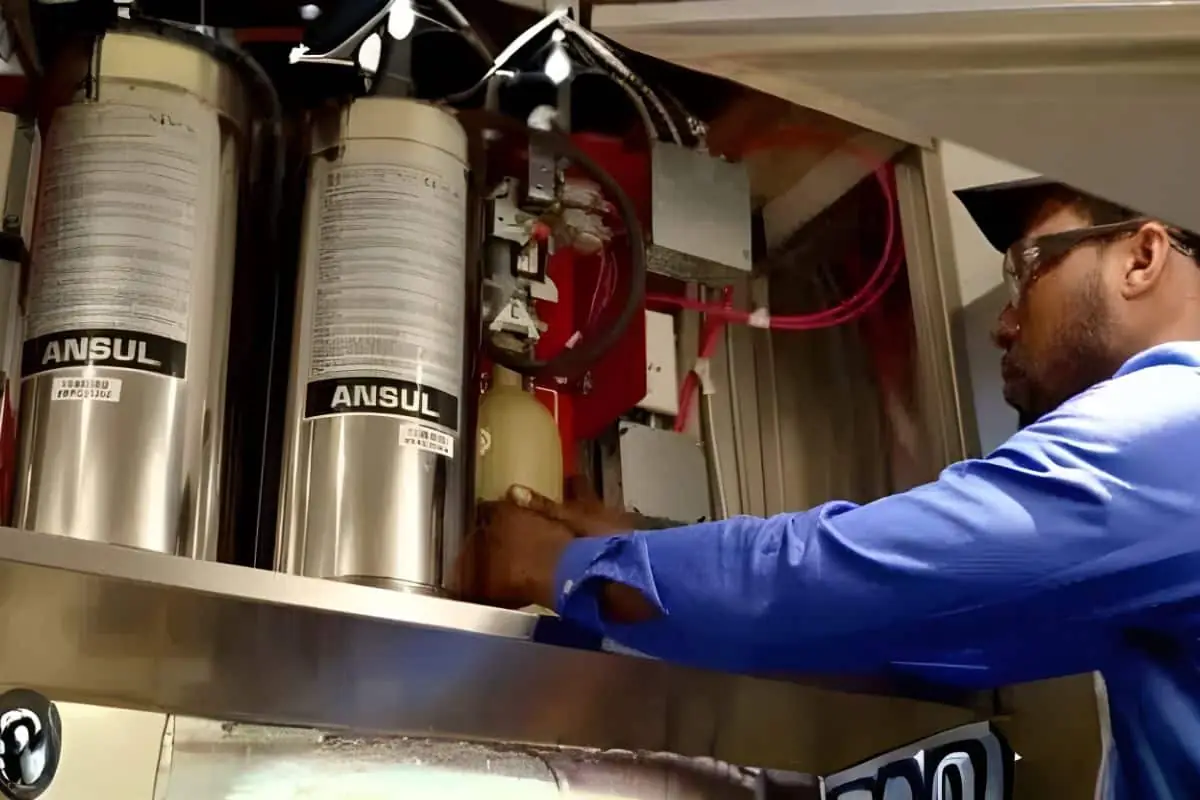
A similar caution applies to fire suppression systems Denver work outside standard sprinklers. The verified legal point here is straightforward: fire suppression system installation, modification, alteration, or repair generally requires permits, registration, and reviewed plans before building fire safety Denver metro work starts. If you are an owner or facility lead, the safest move is to confirm the local process before approving the work, not after.
Certification, approval, and acceptance are related, but not identical
People often use the term fire system certification Colorado as a catch-all. In conversation, that is understandable. In practice, it helps to separate three ideas.
First, a system may be installed or serviced according to applicable standards.
Second, a permitted project may need local acceptance or approval before final sign-off.
Third, an occupied building may later need to demonstrate continued compliance through inspections, testing records, and correction of deficiencies.
Those are connected, but they are not the same event. A project can be well built and still waiting on acceptance. A system can have passed acceptance years ago and still fall out of compliance later through missed maintenance, disabled components, or poor recordkeeping.
That distinction matters when owners ask vendors for proof. If you ask only, "Is the system certified?" You may get an answer that does not address the local sign-off question you actually care about. Better questions are more specific. Was the permit finalized? Was acceptance completed? Are the latest inspection and test records available? Are there open deficiencies?
The Denver layer: annual inspections and local confirmation
The title of this piece includes local confirmation for a reason. In Denver, annual inspections of commercial and institutional properties are part of the enforcement landscape. Inspectors may review physical conditions such as exits and emergency lighting, and they may also review records for fire safety systems. When issues are found, an order notice for correction may follow.
That means local confirmation happens in more than one way. It can happen through permit review. It can happen through acceptance testing. It can happen during annual fire safety inspections Denver properties receive. It can also happen when a hazard, disabled life safety system, or false alarm draws attention.
The practical takeaway is that local confirmation is ongoing, not one-and-done.
If your building has had recent fire sprinkler installation Denver work, recent alarm changes, a suppression retrofit, or any system impairment, do not assume yesterday's paperwork answers today's question. Keep the current status clear. That is especially important in multi-tenant commercial properties, where one suite's construction activity can affect a shared system serving the whole building.
What to confirm before an inspection or project closeout
You do not need a giant compliance program to get the basics right. You do need a disciplined habit of confirming the essentials before an inspector arrives or before you try to close out permitted work.
- Confirm which code set applies to the project based on local adoption and the submittal timing.
- Confirm whether permits were required for the work and whether they were actually obtained.
- Confirm that acceptance or approval has occurred if the project involved fire alarm or fire protection permit work.
- Confirm that your latest inspection, testing, and maintenance records are complete and easy to produce.
- Confirm that any noted deficiencies were corrected and documented.
That list is short on purpose. It is the stuff that keeps a routine inspection from becoming a messy one.
Edge cases that deserve extra attention
Some of the hardest compliance problems do not come from large new construction jobs. They come from edge cases that feel too small to trigger process.
A tenant moves a wall, and one smoke detector ends up in the wrong place for the new layout.
A service contractor replaces equipment and leaves the system functional, but the record trail for the change is thin.
A property team changes hands, and nobody can quickly say whether the most recent fire pump inspection Denver report showed a deficiency.
A backflow inspection Denver record exists, but it is stored separately from the rest of the fire protection file, so the building cannot present a coherent set of documents when asked.
None of those examples require drama to create headaches. They just require a missing connection between field work and records.
Another edge case is timing. Denver notes that some inspections related to acceptance testing may involve coordination with the Fire Department, and special inspections can occur outside normal business hours when needed. On a rushed project, that can become the difference between opening on schedule and waiting. It is one more reason not to treat fire protection as the last trade to coordinate.
How owners and managers can make this easier
The easiest buildings to keep compliant are not always the newest ones. They are the ones with clear internal ownership. Someone knows where the records are. Someone knows which vendor handles fire alarm monitoring Denver services, which vendor handles sprinkler ITM, and which recent projects involved permits. Someone can answer basic questions without starting a scavenger hunt.
For Denver properties, that usually means tying together your life safety records, permit history, and contractor communication in one operating routine. If you manage several sites, standardize the file structure even if the systems differ from building to building. If you use outside vendors for commercial fire protection Colorado support, make record delivery part of the expectation, not an afterthought.
It also helps to speak plainly with contractors. Instead of asking only for a test, ask whether the work touches any permitting, plan review, or acceptance requirement. Instead of asking whether the building is "good," ask whether any deficiencies remain open and whether all records are complete enough for local review.
That kind of language tends to produce better answers.
The plain English version to remember
NFPA compliance inspections Colorado property owners deal with are not just about passing one annual visit. They sit at the intersection of national standards, local code adoption, permitting, acceptance, maintenance, and records. NFPA 72 matters for fire alarm and signaling systems. NFPA 25 matters for water-based fire protection systems. Colorado law matters when suppression system work is being installed, modified, altered, or repaired. Denver's local process matters because the city enforces fire code requirements, conducts annual inspections of commercial and institutional properties, and requires acceptance or approval before final sign-off of fire alarm and fire protection permits.
If you keep that framework in mind, most of the confusion falls away.
The building needs the right work, the right permits when required, the right approvals, and the right records. Then, when local confirmation comes, whether through project acceptance or a routine annual inspection, you are not trying to reconstruct the story after the fact. You are simply showing the truth of the building as it stands.
Pre Action Fire, Inc
2921 W 38th Ave, Denver, CO 80211, United States
Phone: (303) 682-0113
Website: https://preactionfire.com